
BIOREGIONAL PORTFOLIO
THE AMAZON
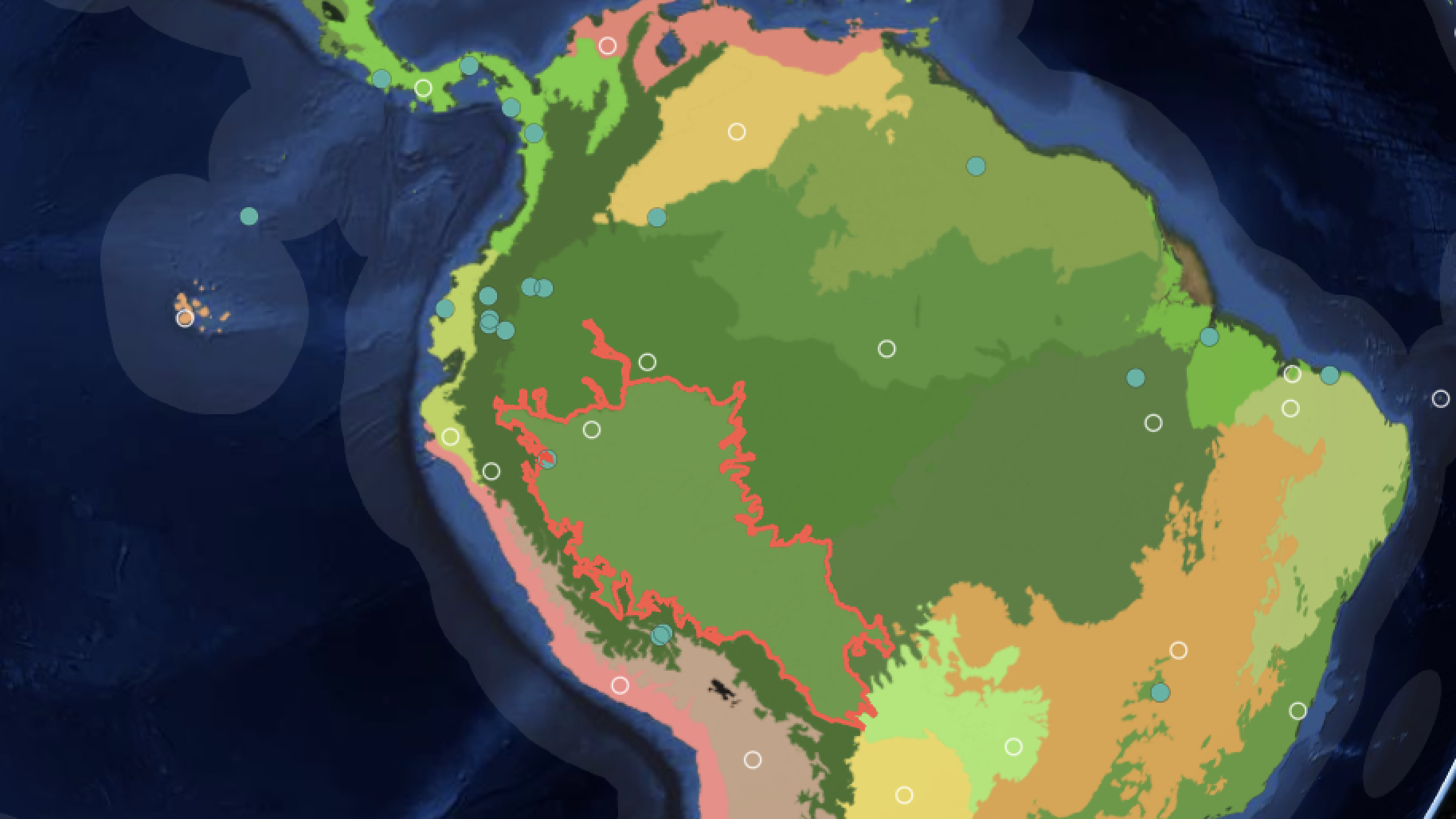
The Amazon is one of the most ecologically significant places on Earth, encompassing five distinct bioregions.¹ Together they hold around 10% of all known species on the planet, an estimated 40,000 plant species, and hundreds of Indigenous communities whose knowledge and stewardship have shaped this landscape for generations.
Image Source: One Earth Bioregion Classifications

WHY THE AMAZON?
The Amazon is the largest and most biodiverse rainforest on Earth, spanning nine countries and storing an estimated 150 to 200 billion tons of carbon.² It houses around 10% of all known species on the planet and regulates rainfall patterns far beyond its own borders, making it one of the most consequential ecosystems for global climate stability. Its scale can make it easy to think of as a single, uniform place, but the Amazon is really a patchwork of distinct forests, rivers, and communities, each facing its own pressures and requiring its own strategy for protection.
WHY BOLIVIA ?
We have focused the majority of our work in this bioregion on Bolivia specifically. Bolivia holds roughly 6 to 7% of the Amazon, making it the third-largest Amazonian nation, yet it has one of the highest rates of tropical forest loss relative to its forest area, driven primarily by agricultural expansion for soy, cattle, and palm plantations.³ Despite this, Bolivia receives just 5% of total conservation funding directed to the Amazon region, making it one of the most underfunded conservation frontiers in the world.⁴ That combination, high loss, low investment, is what made Bolivia the focus of our work in this bioregion. Once primary forest is cleared, its ecological complexity, carbon storage, and biodiversity cannot be fully restored, so early, permanent protection has an outsized, lasting return. WELL/BEINGS works to secure that protection before land is lost. We have also supported complementary wildlife work in neighboring Colombia, where the same forest systems and species extend across the border.
OUR AMAZONIAN PORTFOLIO:
A HOLISTIC,
integrated PORTFOLIO
11
PROJECTS FUNDED SINCE 2020
Since 2020, we have funded 11 projects across this bioregion, including active pipeline commitments through 2028, working toward integrated, compounding impact. We believe lasting change requires solutions that integrate human systems, education, wellbeing, and livelihoods, with natural systems, ecosystems and wildlife. Our Amazon portfolio reflects that across three connected areas, explore each below.
MEET THE SPIDER MONKEY
A KEYSTONE SPECIES
that helps rebuild
THE FOREST
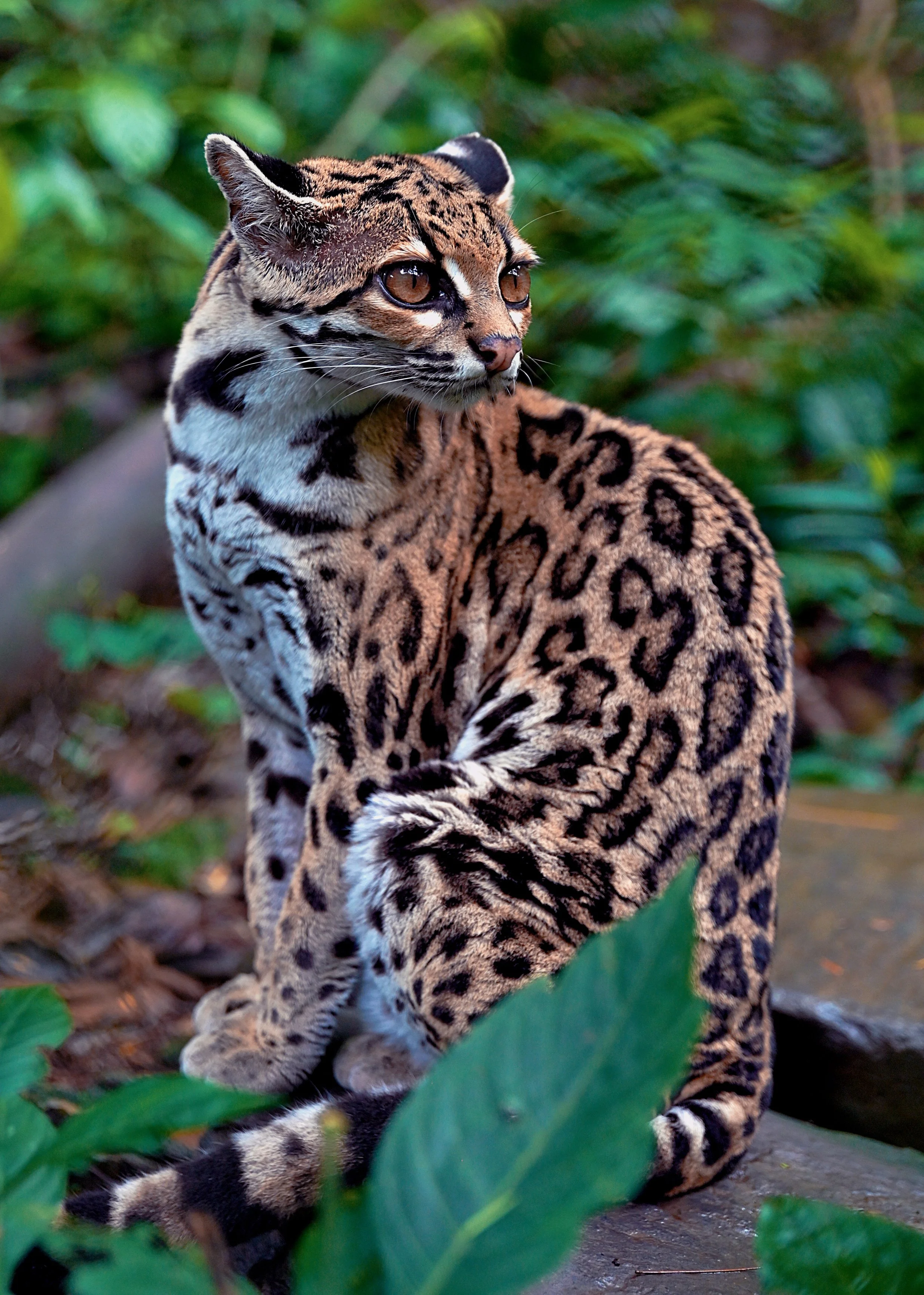
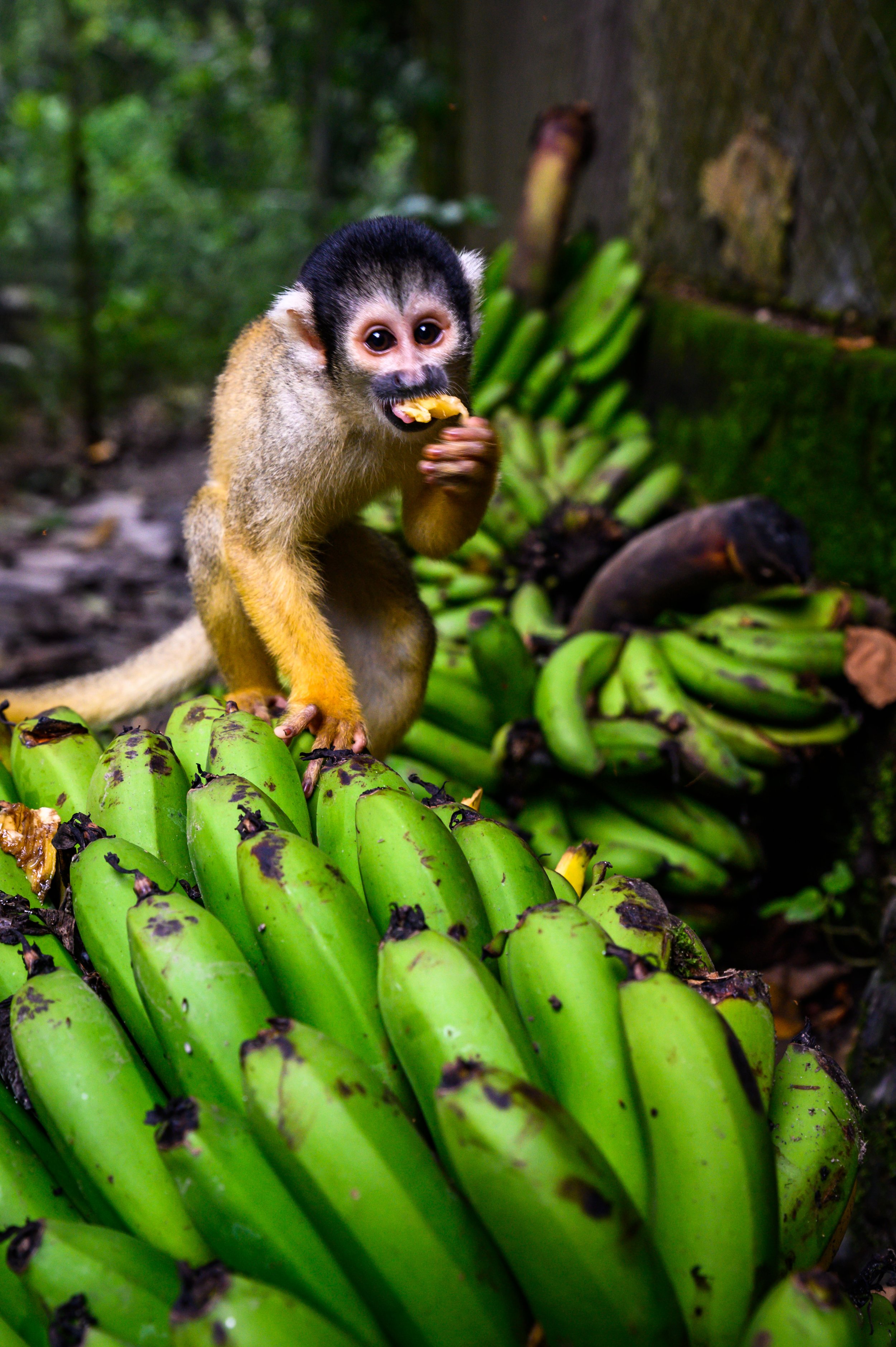
When Bolivia experienced its worst wildfire crisis on record in 2024, with millions of acres burning across the Amazon, WELL/BEINGS supported Senda Verde's emergency response, protecting the Passiflora site and rescuing dozens of animals from the flames. Among them: spider monkeys, ocelots, armadillos, and a baby sloth. Spider monkeys are a keystone species whose role as seed dispersers is essential to forest regeneration. Protecting them means protecting the forest they help rebuild.
KEYSTONE SEED DISPERSER · RESCUED FROM THE 2024 FIRES
Every acre matters. Help us protect what's left.
Page References
WWF, 2026
Global Forest Watch, 2025; WRI, 2026
Spatial Agent, 2022